
Why Are ISO Certifications Important for the Education Industry?
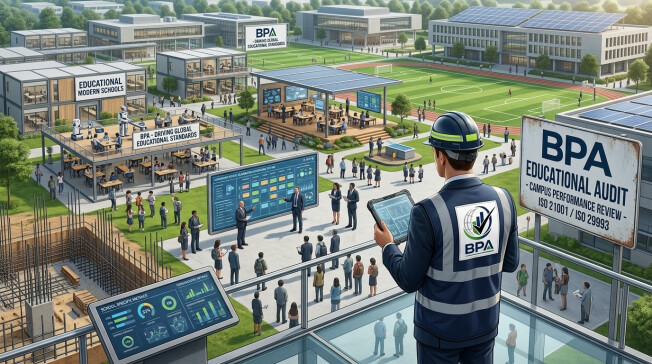
The education industry plays a fundamental role in knowledge development, skill transfer, and the training of expert human resources. This sector encompasses schools, colleges, universities, virtual learning centers, training institutes, and vocational training centers. Today, education—from primary levels to specialized, skill-based, and adult education—is delivered in both in-person environments and digital platforms. Educational institutions face numerous challenges in maintaining the credibility of their services. With the expansion of online education, ensuring the quality of educational processes has become more critical, and stakeholders expect transparent processes, equal learning opportunities, and precisely defined and evaluated learning outcomes. Therefore, systematic quality management has become a necessity for educational institutions.
In addition to providing educational services, educational centers are responsible for managing issues such as safety, information protection, performance evaluation, learner satisfaction, and the development of faculty members and staff. These centers typically deal with large numbers of students, multiple campuses, and diverse methods of in-person and virtual education; a subject that, in the absence of standardized processes, can lead to inconsistency and reduced service quality.
Errors in exam evaluations, weaknesses in educational support services, or poor curriculum planning can reduce an institution's credibility and negatively impact the quality of learning.
On the other hand, educational institutions hold vast amounts of sensitive information, including identity details, academic records, and even medical information of students and staff. With the development of e-learning systems, protecting this information has gained even greater importance.
Furthermore, universities and schools are responsible for managing energy consumption, building safety, waste management, and the optimal use of resources. ISO standards, by establishing structured management systems, enable the control and improvement of these areas and foster accountability, transparency, and continual improvement across all sections of the organization.
ISO Standards Applicable to the Education Industry
- ISO 21001 – Educational Organizations Management System (EOMS)
The ISO 21001 standard is developed specifically for educational organizations. It specifies how to manage the interaction between learners, instructors, and administrative staff, and assists in defining educational objectives, receiving feedback, evaluating learning outcomes, and continually improving educational processes. This standard is perfectly suited for schools, universities, open learning centers, and educational institutes.
- ISO 9001 – Quality Management System (QMS)
ISO 9001 is one of the most widely used quality management standards in educational centers. It assists in planning, documentation, process implementation, educational service quality control, and organizational performance improvement.
- ISO/IEC 27001 – Information Security Management System (ISMS)
Educational institutions manage a high volume of student, faculty, and staff information. The ISO/IEC 27001 standard ensures data security and increases organizational readiness against cyber threats by establishing security controls, user access management, risk identification, and information protection.
- ISO 14001 – Environmental Management System (EMS)
Large universities and educational centers face challenges involving multiple buildings, laboratories, transportation systems, and waste generation. The ISO 14001 standard aids in managing energy consumption, waste segregation, environmental protection, and the sustainable use of resources.
- ISO 45001 – Occupational Health and Safety Management System (OH&S)
The ISO 45001 standard is applicable for creating a safe and healthy environment in schools, universities, and educational centers. This standard covers hazard management, emergency preparedness, accident prevention, and the promotion of staff, faculty, and student health.
ISO certifications help educational organizations manage their processes in a structured manner, control risks, and deliver sustainable and measurable educational results.
Requirements and Benefits of ISO Certification in the Education Industry
Requirements for Obtaining ISO Certifications in the Education Industry
To obtain ISO certifications, educational institutions must design and implement management systems tailored to their objectives, structure, and organizational activities. The most important requirements include:
1. Conducting a Gap Analysis to identify the difference between the current state and standard requirements.
2. Determining the scope of the certification based on the organization's units, campuses, or activities.
3. Preparing documentation, including quality policies, procedures, instructions, and control plans.
4. Appointing a lead or executive team to manage and monitor the system.
5. Training staff, instructors, and managers on standard requirements and their responsibilities.
6. Designing processes for student feedback management, educational records, and internal audits.
7. Implementing internal audits to identify non-conformities and opportunities for improvement.
8. Holding management review meetings to examine system performance, resources, and corrective actions.
9. Selecting a reputable, internationally accredited certification body.
10. Conducting Stage 1 audit to review documentation and organizational readiness.
11. Conducting Stage 2 audit to evaluate the operational implementation of the management system.
Benefits of Obtaining ISO Certifications in the Education Industry
Implementing ISO standards provides numerous benefits for educational institutions, including:
- Enhancing the quality of educational services through process standardization and continual improvement.
- Greater readiness for internal and external audits and assessments.
- Precise documentation of educational and administrative activities and increased information traceability.
- Creating effective mechanisms for measuring student satisfaction and addressing feedback.
- Increasing the engagement and empowerment of faculty members and staff.
- Improving the safety of infrastructure, buildings, and educational environments.
- Protecting student and staff information through information security management.
- More precise planning for course delivery and learning outcome evaluation.
- Increased transparency in admission processes, assessment, grading, and administrative decisions.
- Improving environmental performance through energy management, waste reduction, and optimal resource use.
- Establishing an effective system for collecting, analyzing, and using stakeholder feedback.
- Increasing the trust of students, parents, employers, and regulatory bodies in the institution's performance.
The ISO 21001 standard is developed specifically for educational organizations and assists in defining educational objectives, receiving feedback, evaluating learning outcomes, and continually improving educational processes.
How Can BPA Certifications Help You?
BPA Certifications provides ISO audit and certification services for schools, universities, training centers, and higher education institutions. Our focus is on evaluating documentation, reviewing operational processes, internal controls, and ensuring organizational compliance with international standard requirements.
Our services include:
- Reviewing documentation and processes based on ISO standard requirements.
- Conducting audits at specified stages, accompanied by comprehensive reports.
- Performing integrated audits for ISO 21001, ISO 9001, and ISO/IEC 27001 standards.
- Issuing audit reports in accordance with national and international requirements.
- Flexible audit planning tailored to the educational institution's calendar.
ISO Training
Training staff and managers is one of the keys to success in implementing ISO management systems. This training increases awareness, ensures correct implementation of standard requirements, and improves audit readiness.
Internal Auditor Training
Familiarization with planning, conducting internal audits, identifying non-conformities, and corrective actions.
Lead Auditor Training
Preparing specialists to manage and conduct ISO audits within their own organization or other educational institutions.
ISO Familiarization and Implementation Workshops
Training on the structure of standards, how to prepare documentation, process implementation, and the effective deployment of management systems in educational organizations.